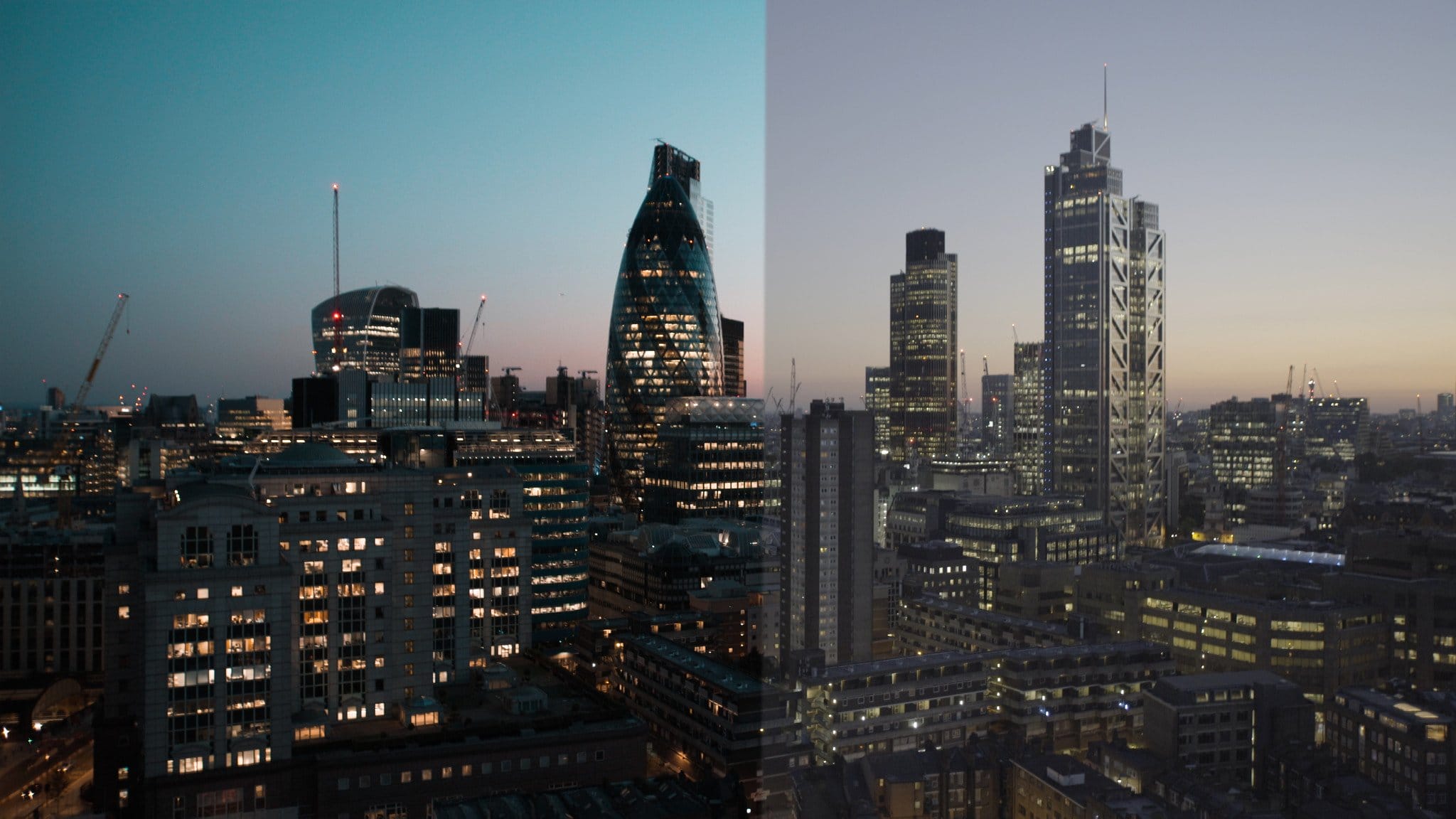
A LUT (Look-Up Table) is essentially a mathematical formula that maps one color space to another. It sounds simple on paper, but the engineering required to build a truly cinematic look is incredibly complex. In this deeply technical article, we explore the color theory, mathematics, and aesthetic choices that separate a cheap, amateur LUT from a high-quality cinematic masterpiece.
1. The Mathematics of a 3D LUT
Unlike a 1D LUT, which can only adjust contrast (mapping a single input value to a single output value), a 3D LUT operates in a three-dimensional color cube (Red, Green, Blue). This means that adjusting the brightness of a specific shade of blue can also impact its saturation and hue simultaneously. This cross-talk allows for highly complex, non-linear color transformations that mimic chemical film processing.
2. The Number One Priority: Skin Tones
What makes a great LUT? Great LUTs prioritize skin tones above all else. Amateur LUTs simply apply a global color wash (e.g., tinting the entire image teal). A professionally engineered LUT uses the 3D cube to isolate the specific vector where human skin tones reside (the "fleshtone line" on a vectorscope) and protects it. A perfect example of this engineering can be found in our 550 LUTs Cinematic Pack. Notice how the heavy teal and orange split toning doesn't ruin the natural hue of the subject's face.
3. Color Contrast and Complementary Colors
Cinematic looks are fundamentally based on color contrast. The most famous is the Teal/Orange look, derived from the fact that human skin is inherently orange, and its complementary color on the color wheel is teal/cyan. By pushing teal into the shadows and orange into the highlights, colorists create depth, separating the subject from the background.
To learn more about advanced color theory in film and how directors use color to tell stories, we highly recommend studying the exhaustive articles at StudioBinder. Understanding the "why" behind color grading will make you a significantly better filmmaker.
4. Highlight Roll-Off and Shadow Density
Another hallmark of a premium LUT is how it handles the extremes of the exposure spectrum. Digital cameras tend to clip highlights harshly. A great cinematic LUT introduces a "shoulder" to the tone curve, gently rolling off the highlights so they transition smoothly into white. Similarly, it manages shadow density by adding a slight lift or color tint to the deepest blacks, preventing the image from looking "crushed."
5. Conclusion
The next time you apply a LUT, remember the immense amount of color science running under the hood. By choosing high-quality, meticulously engineered assets, you elevate your footage from simple video to true cinematic art.
Comments (0)
Leave a Reply
Join the Discussion
You must have an account with us before you can leave a comment.
